Howard County Horseback Riding Lesson: 10 Key Insights from Here We Grow Stables
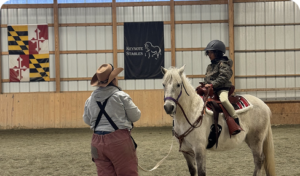 Here at our farm, nestled in the heart of Howard County, Maryland (www.herewegrowstables.com), we believe that a deep understanding of horse behavior is fundamental to building a strong and safe partnership with these magnificent animals. Whether you’re a seasoned equestrian, a curious beginner, or simply someone who admires horses from afar, gaining insight into how horses think and communicate can enrich your Howard County Horseback Riding Lesson experience.
Our dedicated team of experienced trainers at Here We Grow Stables works tirelessly not only to educate riders but also to foster a genuine connection between horse and human based on mutual respect and understanding. Today, we’re excited to share some valuable tips and insights directly from our trainers on how to better understand horse behavior.
Why Understanding Horse Behavior Matters for Howard County Horseback Riding Lessons
Before we dive into specific tips, let’s touch upon why understanding horse behavior is so crucial:
- Enhanced Safety: Recognizing subtle cues can help you anticipate a horse’s reactions, preventing potential accidents for both horse and rider.
- Improved Communication: Learning to “speak their language” allows for clearer and more effective communication during training and everyday interactions.
- Stronger Bonds: When you understand a horse’s needs and emotions, you can build a deeper level of trust and connection.
- Reduced Stress: Recognizing signs of stress or discomfort in a horse enables you to address the issue promptly, contributing to their overall well-being.
- More Effective Training: Tailoring your training methods to a horse’s natural instincts and understanding leads to more positive and lasting results.
Key Aspects of Horse Behavior
Our trainers emphasize several key aspects of horse behavior that are essential to grasp:
- Horses are Prey Animals: This fundamental aspect shapes much of their behavior. They are naturally cautious, have a strong flight response, and rely on their senses to detect potential danger. Understanding this helps us approach them with patience and avoid sudden movements or loud noises that could trigger fear.
- Herd Mentality: Horses are social animals with a strong herd instinct. They find security in groups and establish a clear social hierarchy. Observing how horses interact within a herd can provide valuable insights into their communication and social needs.
- Body Language is Key: Horses communicate primarily through body language. Paying close attention to their posture, facial expressions (especially their eyes and ears), tail movements, and vocalizations can reveal a wealth of information about their emotional state.
- Consistency and Routine: Horses thrive on consistency and routine. Predictable schedules and clear expectations help them feel secure and reduce anxiety.
- Learning Through Association: Horses learn through positive and negative reinforcement. Understanding this principle is crucial for effective and ethical training.
Tips from Our Here We Grow Trainers for Howard County Horseback Riding Lessons
Now, let’s get to the practical advice from our trainers at Here We Grow Stables:
- Observe, Observe, Observe: Our trainers always encourage students to spend time simply observing the horses in the pasture or their stalls. Pay attention to how they interact with each other, their body language in different situations (e.g., eating, resting, playing), and their reactions to various stimuli. This passive observation can teach you a great deal about their natural behaviors.
- Become Fluent in Ear Language: A horse’s ears are highly expressive.
- Forward and Alert: Indicates interest or attention.
- Pinned Back: Often a sign of aggression, fear, or discomfort. Be cautious.
- Swiveling: Shows the horse is listening to different sounds.
- Relaxed and Droopy: Suggests contentment or drowsiness.
- Pay Attention to the Eyes: The eyes can also reveal a horse’s emotional state.
- Wide Eyes with Visible Whites: Can indicate fear or anxiety.
- Soft and Relaxed: Suggests calmness and comfort.
- Squinting: May indicate pain or irritation.
- Understand Tail Signals: The tail isn’t just for swatting flies!
- Swishing or Flicking: Can indicate irritation, annoyance, or sometimes excitement.
- Clamped Down: Often a sign of fear, pain, or resistance.
- Carried High: May indicate excitement or playfulness (depending on the context).
- Relaxed and Still: Suggests calmness.
- Learn Basic Horse Vocalizations: While horses communicate primarily through body language, their vocalizations also provide clues:
- Nicker: A soft, welcoming sound often used between mares and foals or between a horse and a familiar human.
- Whinny/Neigh: A louder call used for communication over distances, often expressing separation anxiety or a greeting.
- Snort: Can indicate alarm or excitement, depending on the intensity and context.
- Squeal: Often a sign of aggression or pain.
- Groan: May indicate discomfort or pain.
- Approach with Caution and Respect: Remember their prey animal instincts. Approach horses slowly and deliberately, allowing them to see and hear you. Avoid sudden movements or loud noises, especially when approaching from behind. Speak to them in a calm and reassuring voice.
- Be Consistent in Your Interactions: Horses learn best when expectations are clear and consistent. During your Howard County Horseback Riding Lesson use the same cues and commands consistently to avoid confusion.
- Recognize Signs of Stress or Discomfort: Look for subtle changes in behavior, such as increased restlessness, tail swishing, teeth grinding, excessive yawning, or changes in appetite. Addressing these signs early can prevent more serious issues.
- Understand Individual Personalities: Just like humans, each horse has its own unique personality. Some are naturally more outgoing and curious, while others are more reserved and cautious. Getting to know each horse as an individual will help you better understand their specific behaviors and needs.
- Continue Learning: Understanding horse behavior is an ongoing process. Read books, watch videos, attend clinics, and most importantly, spend time with horses and learn from experienced professionals like our trainers at Here We Grow Stables.
Building a Partnership Based on Understanding
At Here We Grow Stables (www.herewegrowstables.com) in Howard County, Maryland, we are committed to fostering a learning environment for Howard County Horseback Riding Lessons — where both riders and horses can thrive. By taking the time to understand horse behavior, we can build stronger, safer, and more rewarding partnerships with these incredible animals.
We encourage you to put these tips into practice and continue your journey of learning about the fascinating world of horses. If you’re interested in learning more about our riding lessons, training programs, or simply spending time with our wonderful herd, please visit our website or contact us today. We’d love to share our passion for horses with you!
Blogs powered by The Buswell Collective