Supporting Howard County Farm Pollinators: Why Bees & Butterflies are Essential
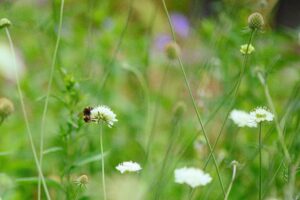
At Here We Grow Farm, we believe that healthy food starts with a healthy ecosystem. While our efforts are visible in every plump tomato and crisp head of lettuce we grow, there’s a vital, often unseen, army working tirelessly behind the scenes: our beloved bees and butterflies. These incredible insects are not just pretty additions to our landscape; they are absolutely essential to the success of our farm and to food production across Howard County Farm land.
The Unsung Heroes of Our Harvest at our Howard County Farm
Pollination is the process by which pollen is transferred from the male part of a flower to the female part, enabling fertilization and the production of seeds and fruit. While wind can pollinate some crops (like corn), many of the fruits, vegetables, and nuts we enjoy daily rely almost entirely on animal pollinators. Bees, with their fuzzy bodies designed to pick up and distribute pollen, are the superstars, but butterflies, moths, and other insects also play crucial roles.
Consider this: roughly one-third of the food we eat depends on pollinators. Without them, our plates would look drastically different, lacking many of the vibrant, nutritious foods we’ve come to expect. For a diversified operation like Here We Grow Farm, this means our yields of cucumbers, squash, berries, apples, and many other crops would plummet without the diligent work of these tiny helpers. Every bite of sweet corn or juicy tomato you enjoy from our fields has likely been touched by a bee or butterfly.
Native vs. Honey Bees: A Diverse Workforce
When we think of bees, the European honey bee often comes to mind. While honey bees are incredibly important for commercial pollination, especially for large-scale monocultures, they are just one part of a much larger, more diverse pollinator picture. In Maryland alone, there are over 400 different species of bees, with approximately 150 native bee species specifically in Howard County Farm regions.
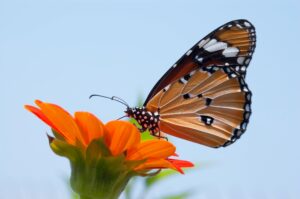
These native bees – including bumblebees, mason bees, and countless solitary species – are often even more efficient at pollinating native plants and many of our cultivated crops because they co-evolved with these plants. They have unique pollination techniques, like “buzz pollination” used by bumblebees on tomatoes, which honey bees can’t perform. Butterflies, while not as effective as bees in mass pollination, contribute significantly, especially to flowers with deep tubes where their long proboscis can reach. They also serve as vital bio-indicators of environmental health.
Threats to Our Pollinators at our Howard County Farm
Unfortunately, pollinators face significant threats, both locally and globally. Habitat loss due to development, the widespread use of pesticides, and climate change are all contributing to declining populations. When natural areas are converted, pollinators lose their food sources (nectar and pollen) and nesting sites. Pesticides, even those not directly targeting bees, can harm or kill them, or weaken their immune systems, making them more susceptible to disease. This impacts not only wild populations but also the productivity of farms, including ours right here in Howard County Farm.
How Here We Grow Farm Supports Our Pollinators
At Here We Grow Farm, we are deeply committed to creating a haven for pollinators. Our practices are designed to foster a thriving environment where bees, butterflies, and other beneficial insects can flourish:
- Diverse Planting: We cultivate a wide variety of crops, ensuring a continuous supply of nectar and pollen from early spring through late fall. Beyond our main crops, we intentionally plant native wildflowers and flowering herbs around our fields and property borders. These provide additional forage and attract a broader range of pollinators.
- Minimizing Pesticide Use: We adhere to sustainable and organic farming principles, which means we significantly reduce or eliminate the use of synthetic pesticides. Instead, we rely on integrated pest management (IPM) strategies, natural predators, and healthy soil to manage pests, protecting our pollinators from harmful chemical exposure.
- Providing Habitat: We maintain undisturbed areas on our farm, allowing for natural nesting sites for ground-nesting bees and providing overwintering shelter for many insects. Leaving some “messy” areas, such as brush piles or un-mowed patches, offers crucial refuge. We also incorporate hedgerows and flowering cover crops, which serve dual purposes of improving soil health and providing additional pollinator habitat.
- Water Sources: Providing shallow water sources with landing spots can be a huge benefit for thirsty bees and butterflies, especially during hot summer months.
What You Can Do to Help (Even Without a Farm!)
You don’t need a farm to make a difference! Every garden, balcony, or even a single pot of flowers can contribute to supporting pollinators in Howard County Farm and beyond:
- Plant Native Flowers: Choose plants native to Maryland, as these are best adapted to our climate and provide the most suitable food sources for local pollinators. Look for continuous bloom times throughout the seasons.
- Reduce or Eliminate Pesticides: Opt for organic pest control methods or hand-remove pests in your home garden.
- Provide Water: A shallow dish with stones or marbles for landing can be a lifesaver for pollinators.
- “Leave the Leaves”: In the fall, leaving some leaf litter and plant stems provides crucial overwintering habitat for many native bees and butterflies.
- Spread the Word: Educate your friends, family, and neighbors about the importance of pollinators.
At Here We Grow Farm, we see our partnership with bees and butterflies as fundamental to our mission of growing healthy, delicious food. By working hand-in-hand with nature, we ensure a bountiful harvest for our community and contribute to a healthier ecosystem for generations to come. Come visit us and see the buzzing, fluttering proof of their essential work!
Blogs powered by The Buswell Collective